Addition Wheel 5: Bright, Cheerful & Craft-Fair Ready
First Impression: A Playful, Classroom-Ready Spark
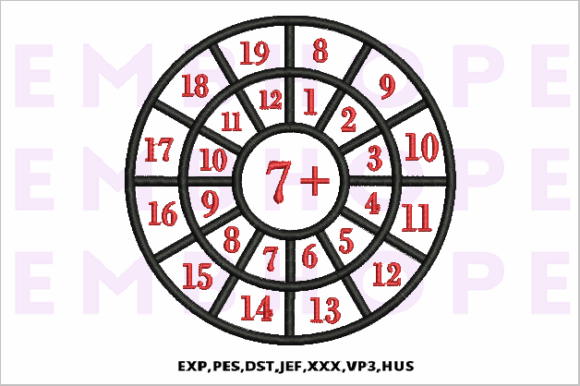
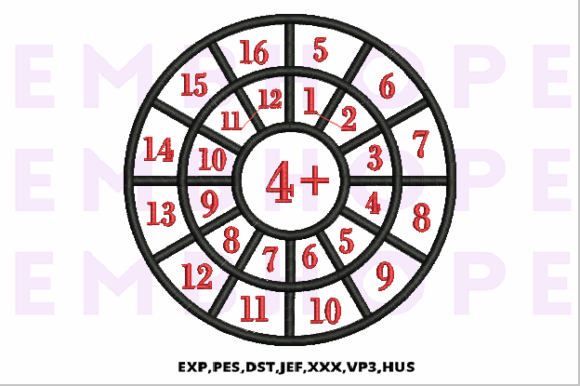
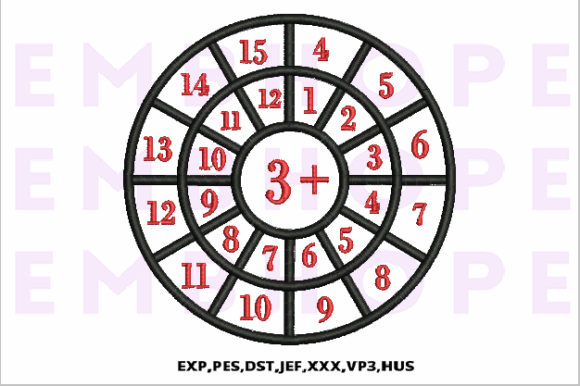
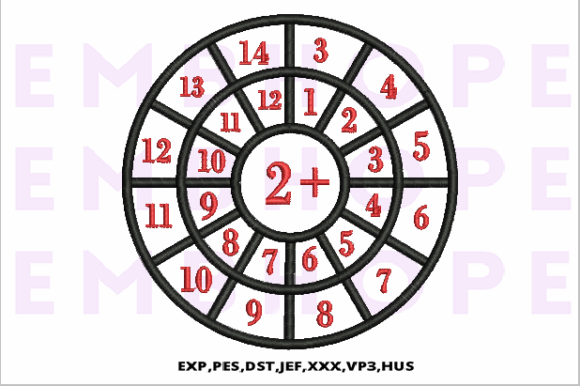
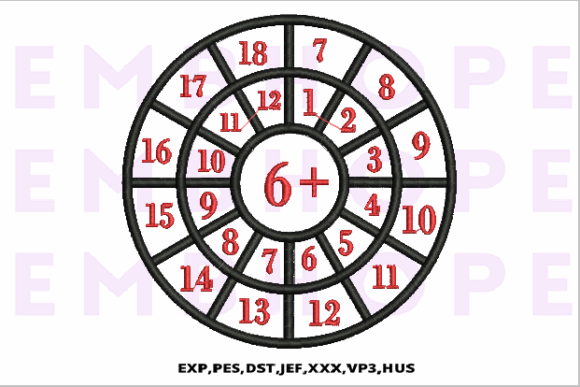
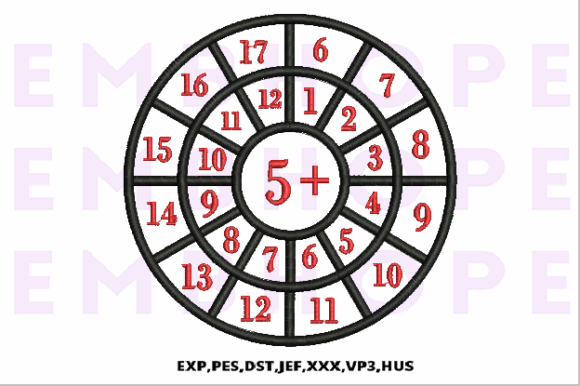
Right off the bat, Addition Wheel 5 lands as bright and cheery — not fussy, not overly academic, and definitely not dull. It feels like a friendly nudge toward learning, wrapped in craft-friendly energy. Think primary-color confidence with a touch of playful structure: circular, balanced, and built for visual clarity. It’s not farmhouse, not minimalist, not rustic — it’s school-meets-studio: functional enough for classroom walls, joyful enough for a handmade tote bag at a local market. That duality is gold for craft fair sellers.
Where Addition Wheel 5 Shines on Real Products
In my booth prep this season, I tested Addition Wheel 5 across seven core craft fair products — and it stood out strongest on three:
- Tote bag design: Centered on a natural canvas or oatmeal linen tote, it reads instantly from six feet away. The circular layout holds up beautifully at 4–5 inches wide — bold but not overwhelming. Customers paused, smiled, and said, “My teacher friend would love this.”
- Embroidered patch: As a sew-on or iron-on patch (2.75"–3.25"), Addition Wheel 5 becomes a conversation starter on denim jackets, backpacks, or kids’ lunchboxes. Its symmetry and clean lines translate well to small-scale embroidery — no detail loss if digitized thoughtfully.
- Tea towel embroidery: On a medium-weight cotton tea towel (centered near the hem), it adds warmth and purpose. Parents and educators alike responded to its gentle educational charm — not preachy, just present. Paired with a simple border stitch, it elevates a basic kitchen item into a giftable handmade product.
It also performed well on aprons (left chest placement), small fabric pouches (front-center), and pillow covers (as a single focal motif). Less ideal for curved cap surfaces — the wheel’s outer ring can distort unless resized and re-digitized for low-profile hoops. And while charming on market bags, avoid placing it too close to seams or gussets where tension pulls stitches.
What Makes This Design Sell at a Craft Fair?
Three things sealed the deal for me: clarity, context, and consistency. At a glance, shoppers understand what Addition Wheel 5 is — no decoding needed. It signals “learning,” “kids,” “teacher gift,” or “playful math” without words (though the title helps). That instant recognition cuts through craft fair noise. As a machine embroidery design, it supports brand consistency across your line: pair it with alphabet wheels or number-themed patches, and you’ve got a cohesive school-themed collection. And because it’s cheerful—not cutesy—it appeals across age groups: early elementary teachers, homeschooling parents, Montessori studios, and even retro-math-loving adults.
Production Reality Check: What You Must Test Before Booth Day
Don’t skip these before stitching your first batch:
- Test on scrap fabric — especially if using textured towels or thick canvas. Dense stitch areas (like inner wheel segments or numerals) may pucker without proper stabilizer.
- Check thread contrast — bright colors pop best on light-to-mid fabrics. On dark fabric, verify legibility of small numerals and operators (+, =); consider white or neon thread for lift.
- Review spacing and sizing — does the wheel retain proportion when scaled down to 2.5"? Tiny details (e.g., fine division lines between segments) may vanish. If your embroidery file includes optional simplified versions, use them for patches or caps.
- Confirm hoop size and stitch density — high-density fills in the center hub or thick numeral strokes could cause thread breaks or skipped stitches on older machines. Run a slow-speed test.
- Create at least one real mockup — a finished tote or tea towel tells you more than any printable mockup. Does it photograph well? Does it feel handmade — not mass-produced?
Online & Digital Considerations for Etsy Sellers and Small Shops
For Etsy sellers and digital embroidery file shops, Addition Wheel 5 is a strong listing candidate — but only if presented right. Use clean, well-lit photos showing it stitched on multiple fabrics (linen, cotton, canvas). Include a lifestyle shot: a child’s hand pointing to the wheel on a tote, or a teacher holding a tea towel in a sunlit classroom corner. In your description, highlight its versatility: “Works as a focal design on totes and pillows, or as an accent on patches and pouches.” Mention “school-themed embroidery” and “educational craft fair product” naturally — those are real search terms. Avoid overpromising — if the file doesn’t include alternate sizes or color palettes, don’t imply it does.
Careful-Use Notes: Protect Your Stitch Quality
Be mindful of these practical limits:
- Avoid dense stitch areas on highly textured towels — opt for lighter fill patterns or outline-only versions.
- Tiny numerals and plus signs may blur on dark fabric or at sub-2" sizes — always test.
- Curved surfaces (caps, curved pouches) require careful hooping and possibly reduced density.
- Thick fabrics (denim, duck cloth) need cutaway stabilizer — tear-away won’t hold the wheel’s shape.
- If selling finished products commercially, confirm the embroidery file includes commercial licensing — “Please note tha” in the description hints at incomplete info, so verify before production.
Final Verdict: A Smart, Scalable Craft Fair Staple
Addition Wheel 5 isn’t just another school-themed embroidery file — it’s a versatile, emotionally resonant design that bridges education and handmade charm. It strengthens booth display by adding visual rhythm (especially alongside other wheel-based designs), lifts perceived value of everyday items, and invites buyer engagement — whether they’re shopping for their classroom, their child’s birthday, or their own inner math nerd. For embroidery business owners, it’s batch-friendly, photo-ready, and quietly premium. Just remember: test, stabilize, contrast, and confirm licensing. Then stitch with confidence — this one’s craft-fair ready.