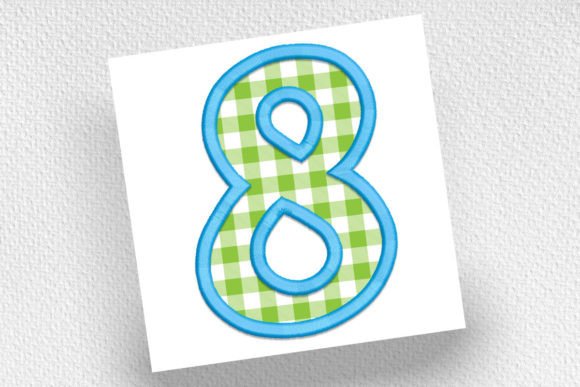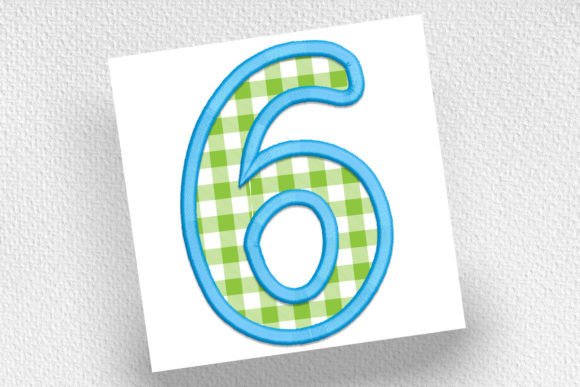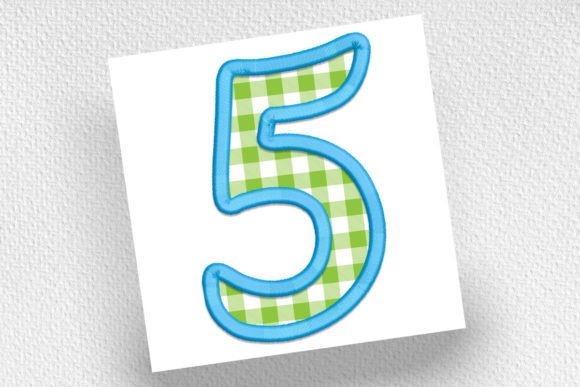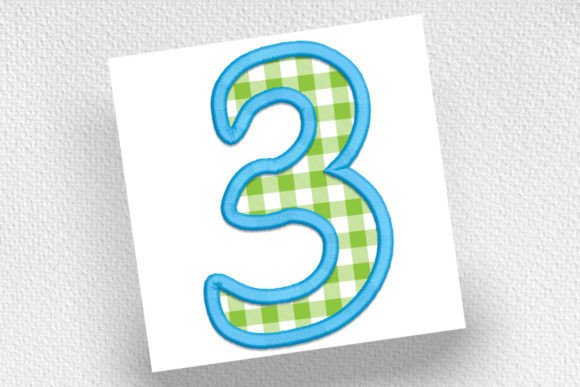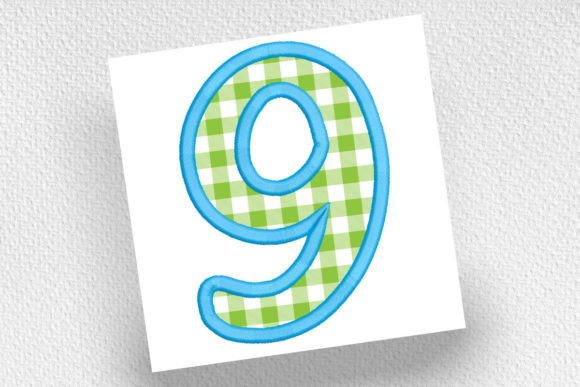
9 Number Nine Applique
A Clean, Confident Numerical Statement for Boutique Apparel
As an embroidery designer who’s developed collections for small clothing brands, Etsy sellers, and local boutiques for over twelve years, I approach every new Creative Fabrica embroidery file with equal parts curiosity and scrutiny. When I first previewed the 9 Number Nine Applique, my immediate impression was one of quiet confidence — not flashy, not fussy, but undeniably intentional. It reads as a modern numeral: rounded yet structured, balanced in weight, and built with clean satin-stitched edges that suggest precision without stiffness. It leans into playful minimalism rather than childish whimsy or corporate sterility — making it unusually versatile across age groups, seasons, and brand voices.
How It Performs Across Real Apparel Surfaces
The 9 Number Nine Applique shines where many numerals falter: on textured, stretchy, or uneven surfaces. On neutral sweatshirts — think heather grey, oatmeal, or soft black fleece — it anchors the chest with grounded clarity. Its moderate stitch density holds up beautifully without puckering, especially when paired with medium-weight cutaway stabilizer. I tested it on ribbed knit hoodies and found it maintained shape even after gentle stretching — no distortion in the curve of the “9”’s upper loop.
For sleeve accents on oversized hoodies or denim jackets, the design scales well visually without needing resizing. At standard chest placement (approx. 3–4 inches wide), it reads clearly from across a room — critical for lifestyle product photos and social media graphics. On pastel t-shirts or light-wash denim, I recommend pairing it with high-contrast thread colors (navy, charcoal, or deep rust) to preserve definition. On dark garments, a matte white or ecru thread keeps it soft and elevated — never harsh.
It also works surprisingly well on curved surfaces like tote bags and cozy seasonal pullovers. The satin-stitch outline adapts smoothly to gentle contours, and its open interior allows breathability — a subtle but meaningful detail for apparel meant to be worn, not just displayed.
Strategic Placement & Fabric Considerations
Where you place the 9 Number Nine Applique matters more than you might assume. For sweatshirt embroidery, I consistently default to left-chest placement — it balances naturally with zippers or pockets and reads intuitively in product mockups. On back designs, it pairs elegantly with minimalist typography or single-line motifs (e.g., “Class of ’24” beneath it), reinforcing its School category relevance without leaning too literal.
That said, avoid placing it directly over seams, elastic hems, or highly stretchy areas like side gussets unless you’ve tested stabilization thoroughly. Fleece and French terry respond best with tear-away + light cutaway combo stabilizer — the 9 Number Nine Applique’s clean lines benefit from that extra support. And while it’s not overly dense, always inspect stitch density in the file preview before loading onto your machine; if your hoop size is tight, confirm the design fits comfortably within your machine’s maximum embroidery area.
Brand-Building Power in a Single Digit
Don’t underestimate what a thoughtful numeral can do for your boutique brand. The 9 Number Nine Applique doesn’t scream — it invites. That makes it ideal for curated collections: limited-edition drops (“Batch #9”), milestone merchandise (“9 Years Strong”), or seasonal storytelling (“Spring ’24 — Look #9”). For Etsy sellers and handmade product creators, this kind of visual consistency builds buyer trust. Customers begin recognizing your aesthetic signature — clean, confident, quietly meaningful — and return for more than just the item, but the feeling it carries.
In commercial embroidery settings, it supports visual consistency across product lines. Use it identically across t-shirts, hoodies, and tote bags in your shop, and customers instantly perceive cohesion — even without logos. That professional presentation elevates perceived value, especially in digital spaces where first impressions happen in under three seconds.
Practical Designer Notes Before You Stitch
Before committing to full production, run these checks:
- Test on scrap fabric that matches your final garment’s weight and texture — especially important for fleece, ribbed knits, and brushed cotton.
- Review stabilizer choice carefully: medium cutaway for most sweatshirts, lightweight tear-away for t-shirts, and fused + cutaway for stretchy blends.
- Confirm thread color contrast against your base fabric — what reads well on screen may vanish on garment.
- Check hoop size compatibility — some versions of the 9 Number Nine Applique may include multiple sizes; verify which fits your workflow.
- Inspect stitch density in the embroidery file preview — look for smooth transitions, no thread nesting, and consistent satin fill.
- Compare placement options using printable mockups — see how it lands on chest, sleeve, or back before stitching live inventory.
- Review Creative Fabrica product details thoroughly — licensing terms, included formats, and any notes about recommended use cases.
If the product description mentions “This design is perfect for adding a personalized touch to various items such as clothing, accessories, home decor, and more. Whether you’re an embroidery ent…”, treat that as a cue to explore its flexibility — but always confirm technical specs before scaling for your small shop product line.
Final Thought: A Design That Serves Your Vision
The 9 Number Nine Applique isn’t just another embroidery file — it’s a quiet tool for intentionality. Whether you're launching a school-themed capsule, building a numbered collection for your handmade business, or designing custom apparel for a local event, it offers clarity without clutter. It respects the garment it lives on, enhances the story you’re telling, and performs reliably across real-world production variables. For embroidery shops, Etsy sellers, and creative entrepreneurs who value both aesthetic cohesion and technical reliability, this Embroidery design earns its place in the working library — not as filler, but as foundation.