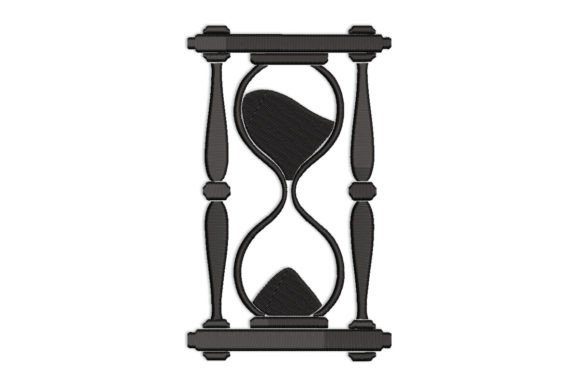
Hourglass: A Seasonal Embroidery Design Review
First Impressions: Whimsy, Warmth, and Timeless Appeal
As an embroidery designer who’s built seasonal collections for over a decade, my first glance at Hourglass landed with quiet confidence—not flash, but feeling. It carries a gentle, nostalgic charm that reads as both cozy and elegant. The lines are clean but not clinical; the curves suggest movement and softness, not rigidity. There’s no overt holiday symbol—no snowflakes, holly, or Santa—but its whimsical silhouette and balanced symmetry make it quietly festive. It leans romantic and premium without being fussy, spiritual without being solemn, and playful without sacrificing sophistication. That versatility is rare—and valuable—when curating a seasonal embroidery lineup for real shoppers.
Where Hourglass Shines in Holiday Product Strategy
This machine embroidery design thrives where emotion meets utility. On sweatshirt embroidery, it anchors family matching sets with warmth—not loud graphics, but shared sentiment. As kitchen towel embroidery, it transforms everyday linens into heirloom-style handmade gifts. Stitched onto pillow covers or linen napkins, Hourglass elevates table settings for Thanksgiving dinners or New Year’s gatherings. On tote bag design, it adds subtle personality to gift-ready packaging—ideal for Etsy sellers bundling artisan soaps or candles. As an embroidered patch, it layers beautifully on denim jackets or baby blankets, supporting limited-edition apparel drops without overwhelming the garment.
For craft fair displays or Instagram previews, Hourglass photographs exceptionally well: its shape reads clearly at small scale, and its open interior invites creative thread color play—think sage green on cream linen, deep plum on oatmeal canvas, or gold metallic on navy velvet. That visual clarity boosts engagement during peak holiday shopping periods, when scroll speed is high and attention spans are short. And because it’s inherently non-gendered and age-agnostic, it supports inclusive gifting—grandparents, teens, newlyweds, and new parents all respond to its quiet resonance.
Real-World Considerations for Small Shop Products
That said, thoughtful execution matters. Hourglass performs best when you honor its balance: avoid cramming it into tiny hoops (<5" diameter) where delicate curves may lose definition. On thick fabrics like terry cloth towels or heavy aprons, confirm stitch density isn’t too aggressive—over-stitching can cause puckering or thread breakage during repeated washing. For dark fabric, test thread colors thoroughly: matte cottons mute sheen, while metallics add luxury but demand slower speeds and stabilizer adjustments. On stretchy garments (think lounge sets or baby onesies), use cutaway + tear-away stabilizer combo and reduce tension slightly to preserve elasticity.
Curved surfaces—like baseball caps or mugs with embroidered sleeves—require careful placement and possibly digitized repositioning. And while Hourglass has no fine lettering or layered fills, always review the final stitched sample under natural light: check for skipped stitches in tight curves, ensure smooth transitions between satin and fill areas, and verify that the outer edge remains crisp against fabric texture.
Smart Workflow Notes for Embroidery Designers & Sellers
- Test thread colors on both light and dark fabric—what reads as soft lavender on ivory may vanish on charcoal without contrast adjustment.
- Confirm hoop size compatibility before listing on Etsy or launching a product mockup campaign; mismatched sizing leads to customer confusion and returns.
- Use proper stabilizer for each fabric type: lightweight cutaway for knits, medium-weight tear-away for quilting cotton, and fusible + wash-away for sheer or delicate linens.
- Create realistic printable mockups—not just flat white backgrounds. Show Hourglass on folded towels, pillow shams mid-use, or tote bags slung over a chair to build buyer trust.
- Plan matching color palettes across your seasonal collection. If Hourglass anchors your holiday line, echo its tones in coordinating designs—even abstract florals or minimalist borders—to strengthen brand consistency.
- Verify commercial licensing before selling finished products. Since this is a digital embroidery file intended for resale use, confirm permissions align with your shop’s business model—especially if you’re scaling beyond handmade gift volume into wholesale or subscription boxes.
Why Hourglass Builds Customer Trust During Peak Seasons
Holiday shoppers don’t just buy products—they buy meaning, reliability, and emotional safety. Hourglass delivers that subconsciously. Its symmetry suggests care; its gentle curves signal approachability; its lack of trend-driven clutter ensures longevity beyond December 26th. When customers see Hourglass on your Etsy listing or craft fair banner, they register craftsmanship—not mass production. That perception lifts perceived value, supports premium pricing, and encourages repeat visits across seasons. It also strengthens visual recognition: even without a logo, consistent use of Hourglass across pillow covers, ornaments, and aprons builds a cohesive aesthetic that loyal buyers begin to associate with your shop’s voice.
For educators or school-affiliated makers (given its School category placement), Hourglass offers quiet symbolism—time, growth, transition—that resonates with graduation gifts, teacher appreciation bundles, or student-led craft fairs. Paired with handwritten tags or custom packaging, it transforms simple personalized gift offerings into memorable experiences.
Final Thought: A Design That Grows With Your Shop
Hourglass isn’t just another holiday embroidery file—it’s a strategic anchor. It works quietly across categories, adapts to evolving trends without chasing them, and invites collaboration rather than competition. Whether you’re launching your first small shop product or refreshing a decade-old catalog, this embroidery file earns its place by balancing artistry with actionability. Stitch it thoughtfully, pair it intentionally, and let its timeless shape do the talking—especially when words fall short, and shoppers are choosing meaning over mass.